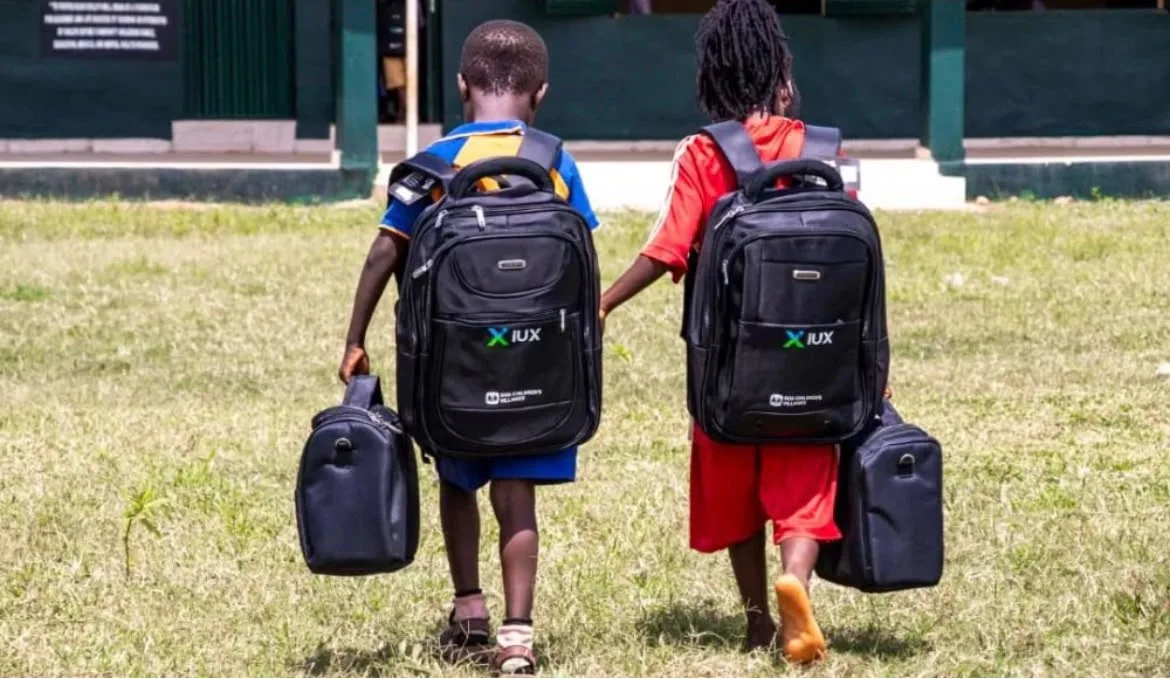
Parents and guardians across Nigeria are facing fresh financial and security concerns as primary and secondary schools resume for the new academic session.
Beyond the payment of school fees, families are contending with increased transportation costs, expensive educational materials and concerns over the safety of children, particularly those attending boarding schools in remote areas.
The situation has been compounded by the recent increase in fuel prices, which has raised the cost of commuting to and from school for many families.
A parent, Peter Attah, said the cost of using his personal vehicle to take his child to school had become unsustainable.
Attah said he would have to spend about N10,000 daily on fuel if he continued driving his child to and from school.
He said he had instead arranged for a tricyclist in his neighbourhood to handle the transportation, noting that the arrangement would cost him less than fuelling his vehicle daily.
Meanwhile, the rising cost of education has also generated concern among parents.
The Chairman of the Board of Trustees of the National Parent Teacher Association of Nigeria, NAPTAN, Deolu Ogunbanjo, said private school fees had increased by between 30 and 40 per cent, making it difficult for many families to cope.
However, the President of the Lagos chapter of the National Association of Proprietors of Private Schools, NAPPS, Otunba Yusuf Alaka, argued that the increase was a reflection of the rising cost of running schools.
According to him, the increase in fees could have been higher if the full impact of the prevailing cost of living had been transferred to school charges.
The Nigeria Union of Teachers, NUT, meanwhile, urged parents not to withdraw their children from school because of the economic difficulties.
The union acknowledged the financial pressure on families but stressed the importance of keeping children in school despite the challenging economic situation.
Security has also remained a major concern ahead of the new academic session.
Some parents expressed worry about the safety of pupils and students, particularly in rural communities and public boarding schools where inadequate perimeter fencing and limited security personnel remain concerns.
Esther Adigwe, a parent, said many schools in remote areas remained vulnerable because of poor security infrastructure.
She called on the government to construct perimeter fences around schools, increase the number of security personnel and improve their welfare.
Another parent, Ekoja Otache, urged the Federal Government to ensure that schools across the country were properly secured, recalling previous reports of students being kidnapped in some parts of the country.
He called for proactive measures, including the deployment of security personnel to vulnerable schools.
The Federal and state governments have said security arrangements have been strengthened around schools, particularly unity colleges and their surrounding communities.
The Federal Ministry of Education also reiterated that the safety and well-being of students and staff remained a priority, saying security agencies had been mobilised to ensure a safe environment for teaching and learning.
As families adjust to the new academic session, parents are calling for measures that will reduce the financial burden of education while strengthening security around schools to ensure children can learn in a safe environment.