Jelili Gbadamosi
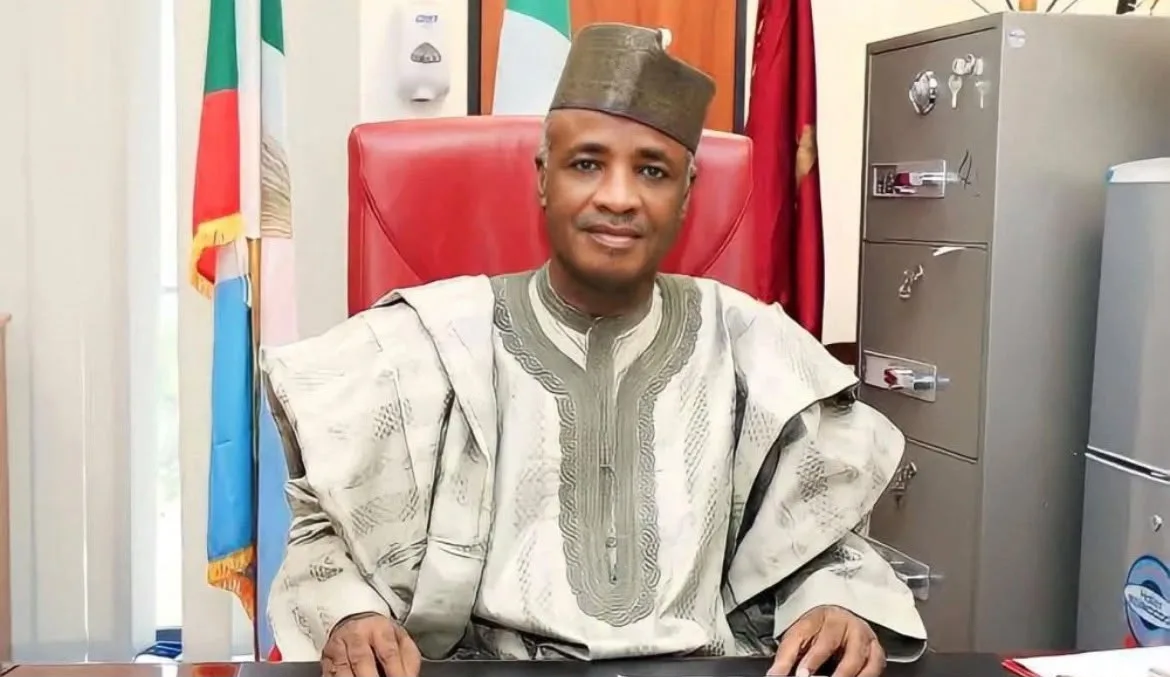
A former President of the Real Estate Developers Association of Nigeria, REDAN, Aliyu Wammakko, has urged the Federal Government to inject at least N1 trillion into the Federal Mortgage Bank of Nigeria to make housing finance more affordable for Nigerians.
Wammakko said increased government funding for mortgage financing, alongside measures to reduce the cost of building materials, would help address the country’s growing housing deficit.
He made the call in an interview with DAILY POST on Friday.
According to him, the rising cost of construction materials, particularly cement, has made home ownership increasingly difficult for Nigerians and contributed to the surge in house rents.
Wammakko said the price of a 50kg bag of cement had increased from about N7,500 in March 2025 to approximately N13,000, with the price still trending upward.
He explained that the high cost of construction had placed developers under pressure, forcing some of the increased expenses to be reflected in rents charged to tenants.
“The higher cost of rent now in Nigeria doesn’t come by accident. It has its genesis in the cost of building materials in the country,” he said.
The housing expert called on the Federal Government to reduce taxes and levies imposed on cement manufacturers and introduce subsidies and other incentives to bring down production costs.
He argued that cheaper building materials would reduce the overall cost of construction and make housing more accessible to low- and middle-income Nigerians.
“If they want to give a solution to the whole saga, they should be able to bring at least a subsidy in terms of cement production and cut all the taxes that have been associated with it so that the producers can sell cement at a price that is affordable to Nigerians,” he said.
Wammakko also urged the government to sign the Real Estate (Regulation and Development) Bill, popularly known as the RECON Bill, which was passed by the 9th National Assembly.
He said stronger regulation of the real estate sector, affordable mortgage financing and lower construction costs were necessary to tackle Nigeria’s housing challenges.
“We are thinking of at least not less than N1 trillion into the Federal Mortgage Bank,” he said.
Wammakko maintained that increased access to mortgage finance would enable more Nigerians to undertake affordable construction and reduce the pressure created by the country’s housing shortage.