Ophthalmic nurses in Nigeria have called for improved welfare, increased government investment in eye-care services, specialised training and modern medical equipment to address manpower shortages and improve access to quality healthcare.
The call was made at the 38th Annual National Scientific and Delegates Conference of the Nigeria Ophthalmic Nurses Association (NONA), where speakers also urged governments to recruit more nurses, retain experienced professionals and ensure that specially trained personnel were deployed to appropriate healthcare facilities.
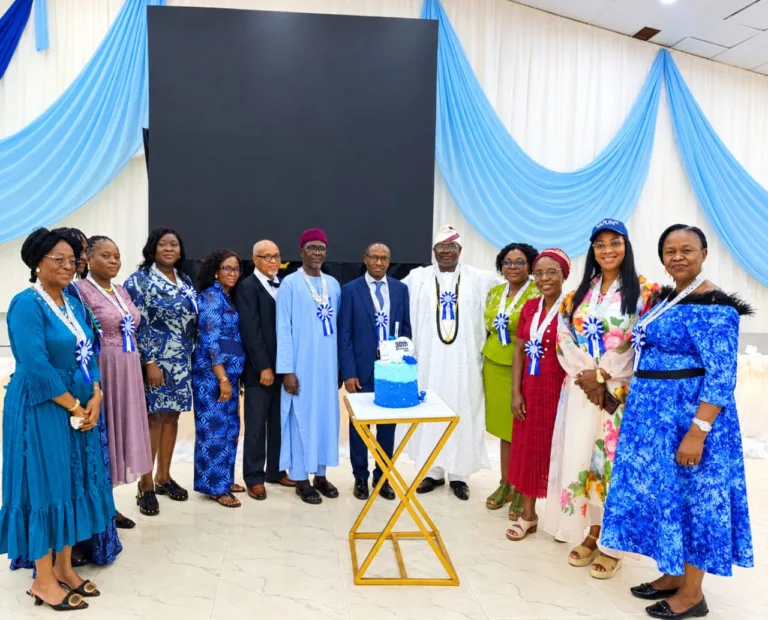
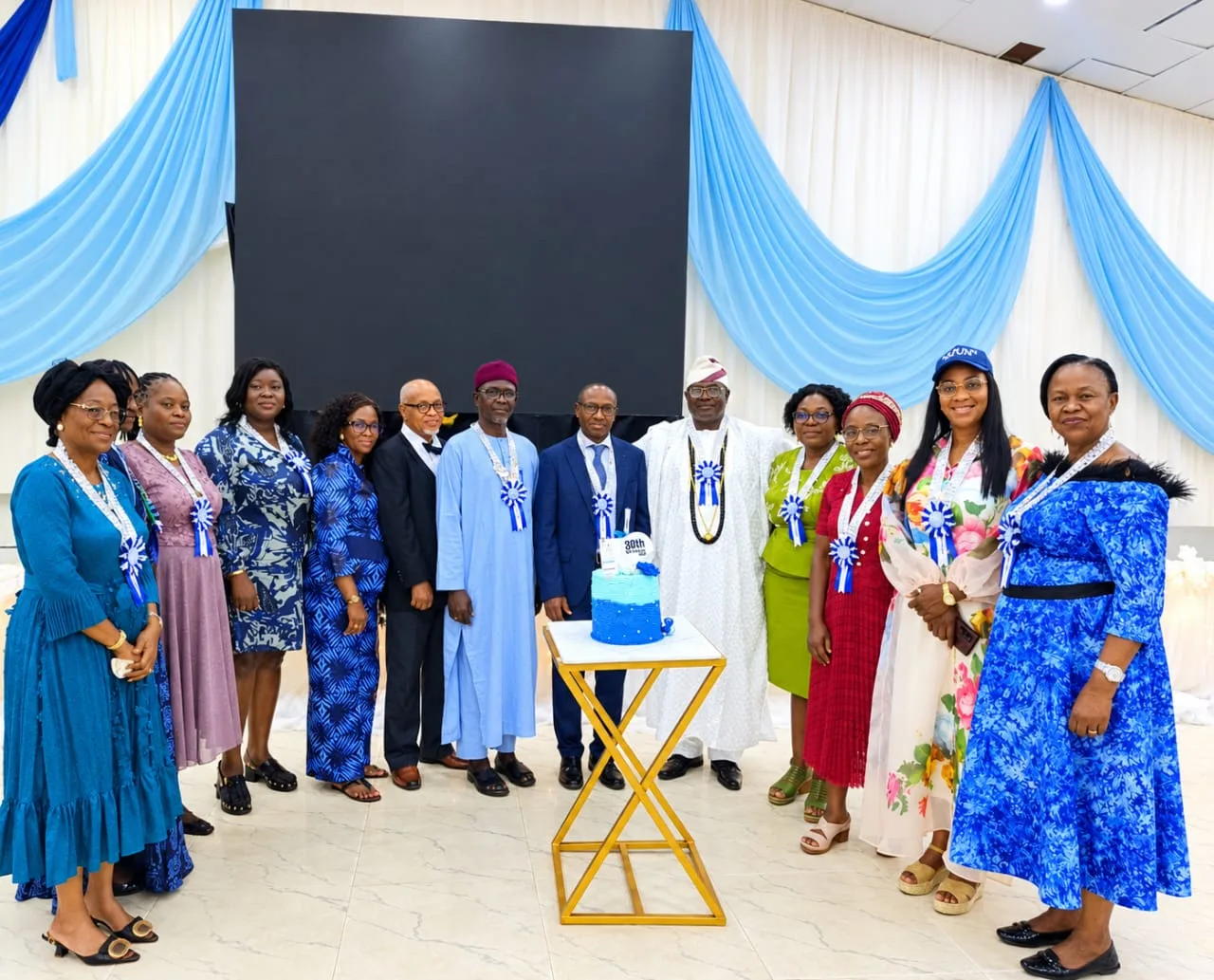
The conference, held from October 18 to 24, 2026, at the Tele-Medicine Hall of the Federal Medical Centre (FMC), Idi Aba, Abeokuta, Ogun State, was organised in conjunction with the Nursing and Midwifery Council of Nigeria.
With the theme, “Our Nurse, Our Future: Empowered Ophthalmic Nurses, Save Lives,” the conference brought together nursing professionals and other stakeholders to examine challenges confronting ophthalmic nursing and explore strategies for strengthening eye-care delivery across the country.
Delivering the keynote address, Dr. Bankole Mojisola Adelola, a nurse, midwife and public health specialist with a PhD in Nursing, called for improved remuneration, continuous professional development and adequate staffing to enable nurses to provide quality healthcare services.
Adelola, who is also a fellow of professional nursing bodies, expressed concern over the disparity between recommended nurse-to-patient ratios and the realities in healthcare facilities.
She explained that nurses in some facilities attend to between 20 and 25 patients at a time, a situation she said increased their workloads and made it difficult to provide the standard of care patients deserved.
“Nurses are our future. Nurses should be well remunerated, they should engage in different trainings, and the government should help us to train our nurses accurately well in all facets of life,” she said.
She urged the federal, state and local governments to recruit more nurses and expand opportunities for continuous professional training.
Adelola also stressed the need to retain experienced nurses, commending President Bola Ahmed Tinubu over the approval of an extension of the retirement age for nurses in federal institutions to 65 years.
She called on state and local governments to consider similar policies, noting that improved welfare and career opportunities would encourage more nurses to remain in the country.
“When nurses are well remunerated and well endowed, you will see that they will not run to diaspora again. They will be retained and they will impact adequately well,” she said.
On the growing influence of technology in healthcare, Adelola said artificial intelligence should complement rather than replace nurses, noting that it could help improve their efficiency and professional practice.
“Artificial intelligence has come to stay. It is not to take away the work of the nurses, but to help us to fine-tune what we are doing from time to time,” she added.
Meanwhile, the Ogun State Government has reaffirmed its commitment to improving healthcare workers’ welfare and professional capacity, assuring ophthalmic nurses that they would receive priority consideration in future training programmes.
Speaking on behalf of the state Commissioner for Health, Dr. Tomi Coker, the chairman of the day, Dr. Oladeyinde Kayode, highlighted the administration’s interventions in the health sector, including improved allowances, health insurance coverage and measures to address workforce shortages.
Coker disclosed that the state government had approved call-duty allowances for ophthalmic nurses following years of agitation by the professionals.
She also said Governor Dapo Abiodun had approved the replacement of health workers who leave the service, a measure aimed at addressing manpower shortages worsened by the migration of healthcare professionals, popularly known as japa.
According to her, the approval would enable the government to replace departing personnel without the usual administrative delays associated with civil service recruitment.
“Ogun State government is committed, in all ways, to ensure the good people of Ogun State have quality health, very easy to achieve without any damage to the pocket,” she said.
She explained that the state’s health insurance programme, through which the government pays premiums for civil servants and retirees, was designed to improve access to healthcare without placing excessive financial burdens on beneficiaries.
On professional development, Coker said the administration had continued to invest in human-capital development across the public service.
She assured ophthalmic nurses that their training needs would receive special attention and urged them to reciprocate the government’s interventions by remaining dedicated to their responsibilities.
The Ogun State Chairman of NONA, Nurse Olayinka Fasuyi, appealed to the state government to increase its support for ophthalmic nursing through training sponsorships, improved remuneration, additional recruitment and the provision of modern equipment.
While acknowledging the recent approval of call-duty allowances, Fasuyi said further interventions were necessary to strengthen nurses’ capacity to provide specialised eye-care services.
“Now, we want more. Oliver Twist wants more. We want sponsorship, we need sponsorship. We need nurses to be well encouraged to go to school, and we need nurses to be encouraged to go for ophthalmic nursing,” she said.
She called for full or partial scholarships for nurses seeking advanced training in ophthalmic nursing and related subspecialties, including glaucoma management, microsurgery, refraction and oculoplastic care.
According to her, specialised training would equip nurses with the skills required to provide advanced eye-care services locally and reduce the need for patients to travel abroad for certain treatments.
She noted that Nigerian nurses could acquire additional expertise through specialised training programmes in countries such as India.
“Instead of flying patients outside, we can actually do it here,” she said.
Fasuyi also identified inadequate staffing as a major challenge, urging the government to recruit more nurses to address shortages aggravated by the migration of healthcare professionals.
She lamented the lack of modern equipment in some facilities, stressing that nurses needed appropriate tools to perform their duties effectively.
The state chairman appealed to Governor Abiodun to make specific budgetary provisions for ophthalmic nursing, noting that dedicated funding would support training, recruitment and equipment procurement.
She acknowledged the governor’s intervention through the approval of call-duty allowances but maintained that additional support was necessary to meet the demands of specialised eye-care services.
The National Chairman of NONA, Comrade Ibrahim Wambai Usman, called for greater investment in eye-care facilities and the proper deployment of qualified ophthalmic nurses.
Usman expressed concern that some nurses who had completed specialised training were posted to medical-surgical units instead of eye clinics, preventing healthcare institutions from fully utilising their expertise.
“Some of our ophthalmic nurses, when they qualified after training, instead of them to be posted to eye clinics where they will practice what they learn, some would be sent to another area,” he said.
He urged healthcare authorities to ensure that qualified ophthalmic nurses were assigned to appropriate units where they could apply their skills and improve patient outcomes.
The national chairman also raised concerns over inadequate diagnostic equipment in some healthcare facilities, including federal institutions.
He identified optical coherence tomography (OCT), B-scan and biometry machines as some of the essential equipment lacking in certain facilities.
Usman stressed that adequate investment in eye-care infrastructure was necessary to improve diagnosis, treatment and patient monitoring.
“Eye care should not be looked at as a simple thing; it must be given a priority,” he said.
He explained that good vision was essential to everyday activities and professional life, noting that virtually every occupation required adequate eyesight.
According to him, ophthalmic nurses play a critical role in patient care, from initial assessment through treatment and follow-up.
He therefore urged governments to provide the equipment and resources required to enable nurses to perform their duties effectively.
Usman also emphasised the importance of digital record-keeping systems in preserving patients’ medical information and monitoring their progress throughout treatment.
Also speaking, Nurse Adeniji Olusola, an ophthalmic nurse and Chairman of the Planning Committee for the conference, called on the government to empower ophthalmic nurses to expand access to eye-care services and help prevent avoidable blindness.
She said good vision was essential to education, transportation and other daily activities, stressing that empowering specialised nurses would enable them to identify and attend to people with eye problems in schools, communities and other public places.
According to her, the conference theme, “Our Nurse, Our Future: Empowered Ophthalmic Nurses, Save Lives,” underscored the critical role ophthalmic nurses play in protecting vision and saving lives.
“When an ophthalmic nurse is empowered, life is saved. What can you do without your eyes, without your sight? Everybody needs their sight, including students and drivers,” she said.
Olusola expressed concern about the risks associated with people with impaired vision engaging in activities such as driving without adequate eye care.
She stressed the need for ophthalmic nurses to be adequately trained, equipped and deployed across communities to improve access to eye examinations and timely treatment.
The planning committee chairman also encouraged her colleagues to intensify school eye-health programmes and community outreach initiatives to promote the early detection and treatment of eye conditions.
She maintained that empowering ophthalmic nurses would strengthen preventive eye-care services and enable more Nigerians to access timely professional attention.
Meanwhile, Nurse Bayegun John Folorunsho, the National Coordinator for Nurse Refraction Training in Kaduna, described the conference as an important platform for professional development and the advancement of ophthalmic nursing in Nigeria.
Folorunsho said the annual gathering provided opportunities for nurses to update their knowledge, improve their clinical skills and remain abreast of developments in eye-care practice.
“This is a wonderful congress conference run by the National Ophthalmic Nurses Association Nigeria,” he said.
He compared the gathering with annual professional conventions organised in countries such as the United States and the United Kingdom, noting that such events helped healthcare professionals strengthen their academic and clinical competence.
He explained that the conference enabled ophthalmic nurses to meet relevant professional development requirements while providing student nurses and aspiring ophthalmic nursing professionals with opportunities to learn about the specialty and explore career advancement prospects.
Folorunsho described the conference as a valuable initiative for strengthening professional knowledge and improving the quality of eye-care services in Nigeria.
The speakers maintained that sustained investment in personnel, specialised training, modern equipment and improved working conditions was essential to strengthening ophthalmic nursing.
They said empowering nurses, ensuring their appropriate deployment and providing the resources they needed would improve patient outcomes and expand access to quality eye-care services across Nigeria.