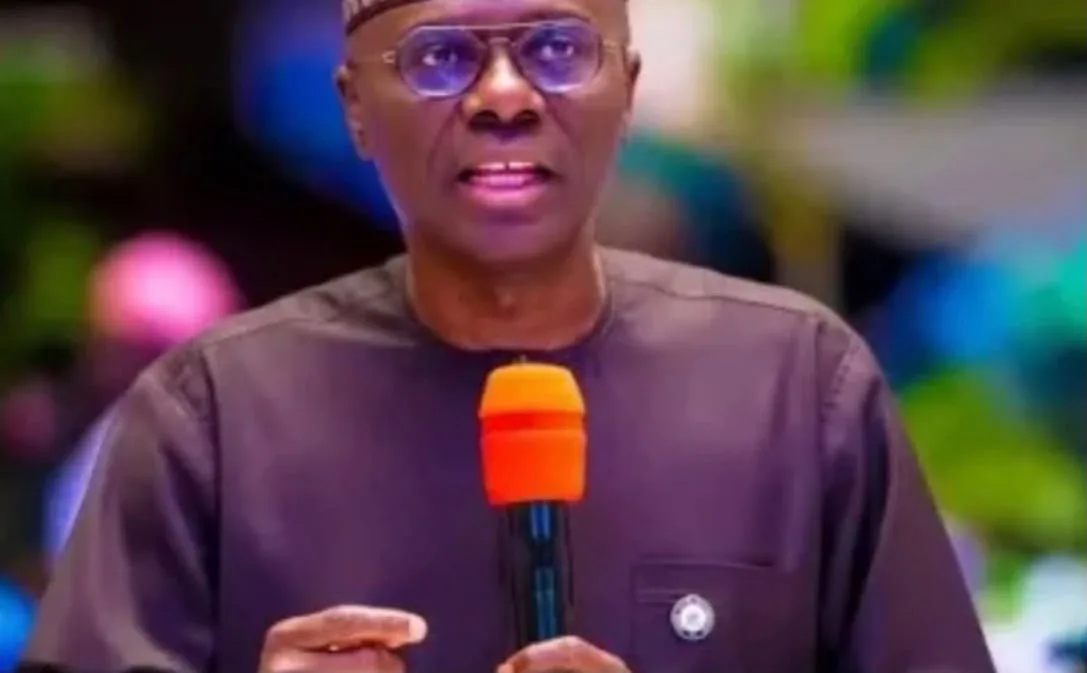
Lagos State Governor, Babajide Sanwo-Olu, has said the state’s housing challenge cannot be solved by constructing more buildings alone, as rising costs continue to make decent accommodation difficult for many residents to afford.
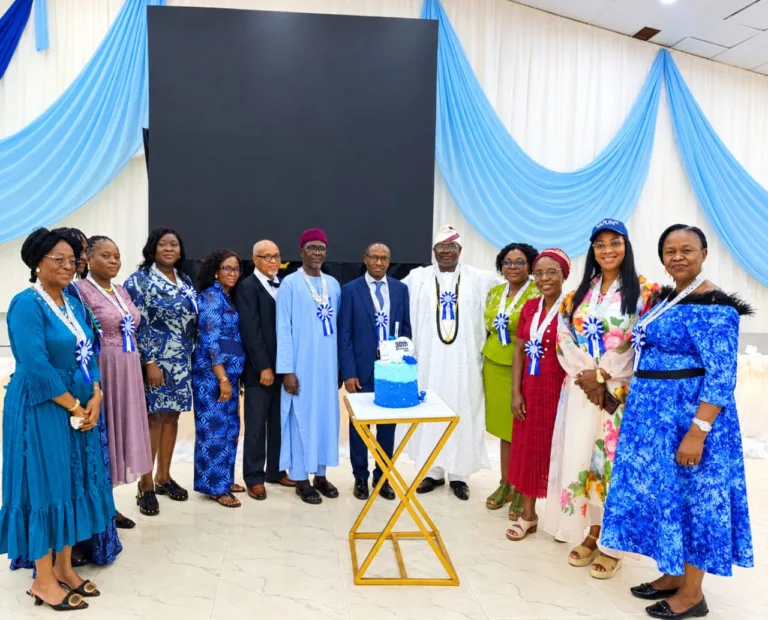
Sanwo-Olu said this on Monday during the 2026 World Habitat Day celebration in Lagos, themed “Adequate Housing for All.”
The governor, whose address was delivered by the Commissioner for Housing, Moruf Akinderu-Fatai, said adequate housing must combine affordability and accessibility with security and essential services.
He said residents needed more than a roof over their heads, noting that roads, drainage, electricity, water and other basic infrastructure were critical to making housing suitable for families.
According to Sanwo-Olu, his administration has delivered 10,623 housing units through direct budgetary funding and public-private partnerships since 2019, with 23 housing estates completed across the state’s five divisions.
He acknowledged, however, that the projects were only part of the solution to Lagos’ growing housing needs.
The governor said the state was expanding access to home ownership through Lagos HOMS and the Rent-to-Own scheme, while five housing projects currently under construction were expected to deliver another 1,584 homes.
Sanwo-Olu also said tenancy reforms were being pursued to protect residents against arbitrary rent increases and unlawful charges.
He urged developers and other stakeholders in the housing sector to focus on creating communities where residents can live safely and access basic amenities without facing additional burdens caused by inadequate infrastructure.
The Commissioner for Physical Planning and Urban Development, Oluyinka Olumide, said Lagos’ rapidly growing population had intensified pressure on land, housing and urban services.
He noted that adequate housing was closely connected to transportation, employment, healthcare, education, security, water supply and sanitation.
Also speaking, Festus Adebayo, Founder of the Africa International Housing Show, said the high cost of accommodation had become a major economic and social concern.
Adebayo said young graduates and working families were increasingly committing large portions of their earnings to rent and transportation, leaving them with limited funds to save, invest or pursue home ownership.
He called for easier access to land and housing finance, stressing that the success of housing policies should be measured by affordability and accessibility rather than the number of buildings constructed.
The Nigerian Institute of Town Planners and the Lagos Informal Space Management Authority also advocated stronger collaboration among government agencies, professionals, developers and communities to promote safe and sustainable settlements.