The Nigeria Centre for Disease Control and Prevention (NCDC) has identified the Bundibugyo strain of Ebola in a patient receiving treatment in Abuja, following laboratory investigations that confirmed the type of virus involved.
The patient, a diplomat, has reportedly developed multiple organ failure, according to an update provided by health authorities.
Olajumoke Babatunde, the NCDC’s Director of Public Health Laboratory Services, disclosed the findings on Wednesday while briefing on the laboratory investigations conducted on the case.
She explained that the diagnosis was established through three levels of molecular testing, all of which confirmed the Bundibugyo strain.
“We did three levels of tests, but all were molecular. The strain was Bundibugyo,” she said.
Babatunde, however, did not provide additional details about the patient’s current medical condition or the treatment being administered.
The development follows an earlier disclosure by the Minister of Health, Muhammad Ali Pate, that a female patient who had travelled from Uganda tested positive for Ebola.
However, Charles Olaro, Uganda’s Director-General of Health Services, later clarified that the patient was Nigerian.
The NCDC did not state the patient’s nationality in its latest update.
The Bundibugyo strain was first identified during an Ebola outbreak in Uganda in 2007 and has also been linked to outbreaks in the Democratic Republic of the Congo.
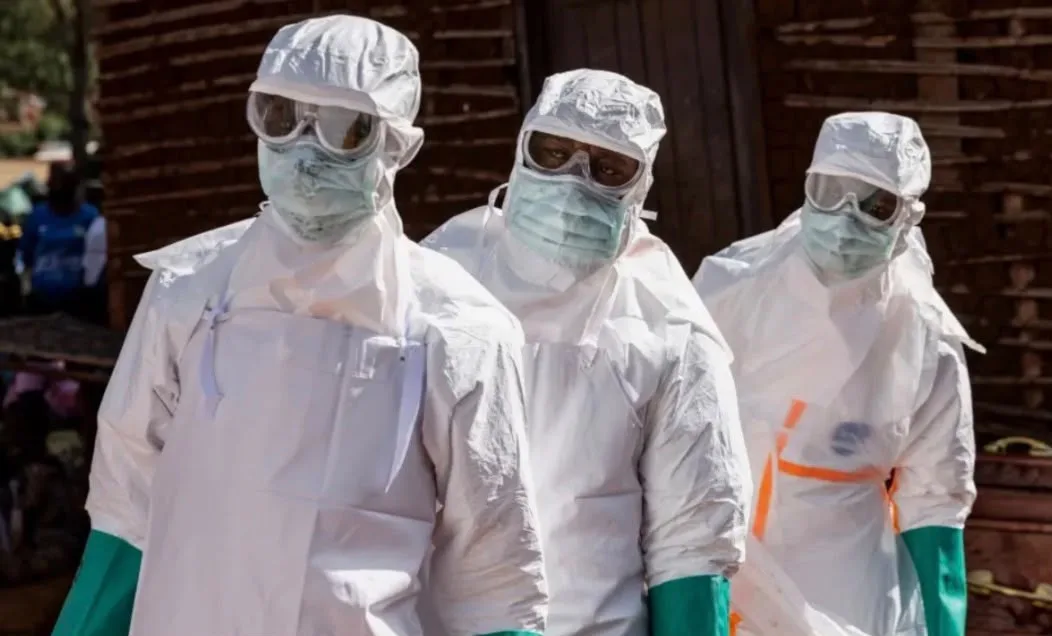
Ebola is a severe viral disease that can spread through direct contact with the blood and other bodily fluids of infected people, as well as contaminated materials.
The identification of the strain provides further insight into the infection detected in Abuja, while the reported multiple organ failure indicates the severity of the patient’s condition.
However, the latest update did not provide further information on the patient’s prognosis, possible contacts or additional public health measures being implemented in response to the case.