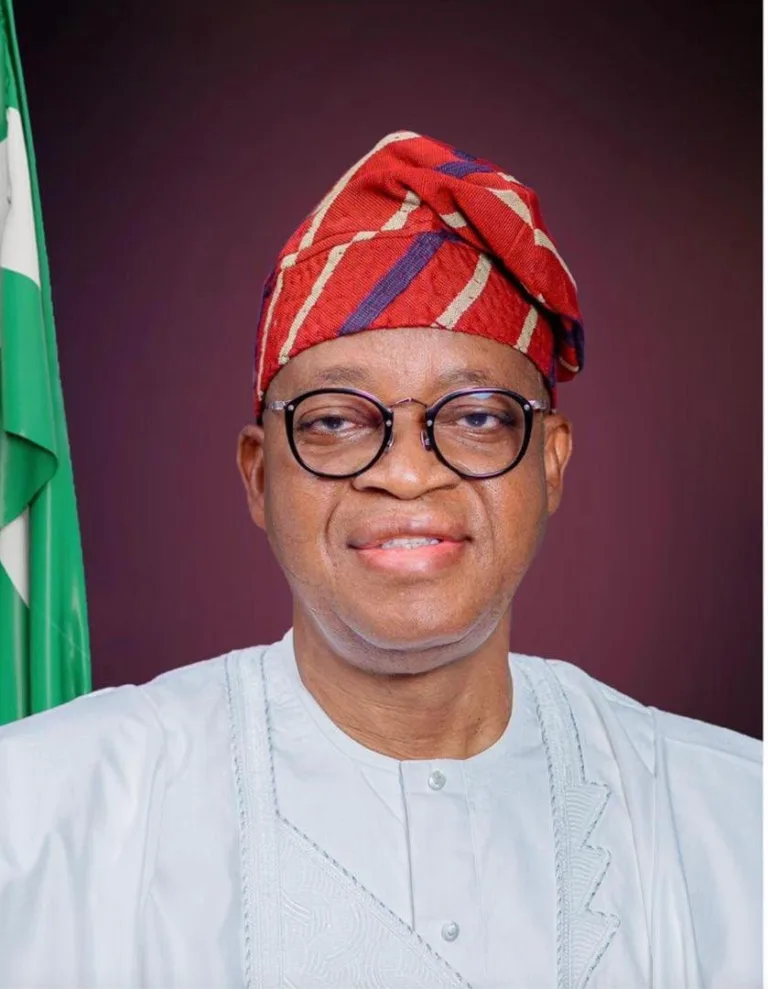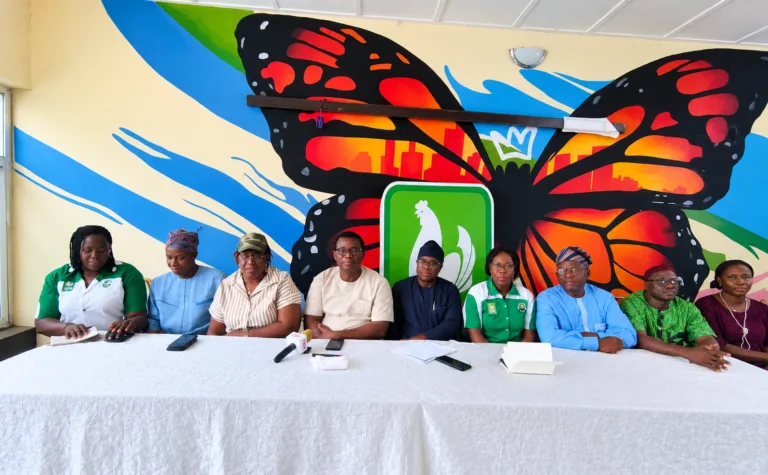
The Chairman of the Poultry Association of Nigeria (PAN), Southwest Zone and National Vice President, Southwest, Rev. Oluleye Gideon Olugbeja, has called on the Federal and state governments to increase investment in the poultry sector, provide farmers with affordable long-term financing, strengthen security on farms and involve industry stakeholders in the formulation of policies affecting poultry production.
Olugbeja made the call while speaking with journalists on the opening day, the first of the three-day Nigeria Poultry Show 2026, held at the Olusegun Obasanjo Presidential Library (OOPL), Abeokuta, Ogun State. The event ended on Thursday, November 5, after attracting poultry farmers, investors, manufacturers, financial institutions, development partners and exhibitors from Nigeria and other parts of the world.
The event, which began on Tuesday, November 3, attracted more than 100 vendors and exhibitors from Nigeria and countries including China, India, Belgium and Germany, providing a platform for participants to showcase modern technologies, exchange knowledge, explore investment opportunities and build partnerships across the poultry value chain.
Speaking on the challenges facing the industry, Olugbeja urged the government to consult poultry farmers before introducing policies that affect their operations, stressing that stakeholders who operate within the industry understand its challenges and should have a voice in policy formulation.
He said some government policies could become counterproductive when developed without adequate consultation with farmers and other industry players.
“When they are making or fashioning out their livestock policies or poultry policies, they should consult us. There are some of the poultry policies that are inimical to our operations. We are encouraging government to please carry us along in some of these policy formulations,” he said.
The PAN leader also identified access to finance as one of the major challenges limiting the expansion of poultry businesses, calling for an enabling environment where farmers could access affordable, long-term funds.
He said such financing would enable farmers to expand their farms, improve production and contribute more effectively to national food security.
Olugbeja further called for greater government investment in the sector, arguing that food security should be treated as a critical component of national security.
According to him, a country cannot guarantee sustainable peace and stability if it is unable to adequately feed its population.
“Food security doesn’t just come by mouth. Just as you are pumping money into external security and securing our borders, that is the way we should also pump money into securing food within our entire country,” he said.
He also raised concerns over insecurity on farms, particularly kidnapping, which he said had forced some farmers to abandon agricultural activities.
Olugbeja appealed to the Federal and state governments to intensify efforts to protect farmers and their investments, stressing that insecurity was discouraging people from going into farming at a time when Nigeria urgently needed to increase domestic food production.
He noted that the poultry sector had significant potential to generate employment and accelerate agricultural industrialisation if the necessary support was provided.
Representing the Minister of Livestock Development, Hon. Alhaji Idi Mukhtar Maiha, at the event, Mr Richard Umbara said the Federal Government recognised the importance of the poultry industry to Nigeria’s economy and was committed to partnering with stakeholders to move the sector forward.
Umbara said the government was particularly concerned about the prolonged waiting period faced by farmers trying to obtain day-old chicks, noting that some producers currently wait for several months after making payments before receiving chicks.
He said the government, in collaboration with PAN, was working towards the importation of approximately 60 million hatchable eggs as an immediate intervention to ease the shortage and reduce the waiting period from about four months to one month.
According to him, the intervention is intended to restore predictability to poultry production and enable farmers to plan their production cycles with greater confidence.
He explained that the availability of day-old chicks represented the starting point of poultry production, adding that without chicks, other aspects of the business could not effectively commence.
The Minister’s representative also disclosed that the government was advancing plans to introduce grandparent stock to strengthen Nigeria’s domestic breeding capacity, with the long-term objective of supporting the production of about 262 million day-old chicks annually.
He said the initiative would strengthen the foundation of the poultry industry and reduce the vulnerability of producers to disruptions in the supply of chicks.
Umbara also assured poultry farmers that the government was taking steps to address avian influenza and other diseases affecting the sector.
He acknowledged reports of disease outbreaks in parts of the country and said the ministry was engaging relevant stakeholders to strengthen disease surveillance and response.
He stressed that disease control required collaboration among government agencies, veterinary professionals, hatcheries, farmers and poultry associations.
According to him, early reporting, reliable diagnosis, sound biosecurity measures and coordinated responses were essential to protecting poultry farms.
He, however, noted that biosecurity alone might not always be sufficient, particularly where wild birds or other external factors could introduce diseases into farms.
He said the ministry was therefore reviewing other possible interventions, including vaccination where necessary, while engaging experts and stakeholders on the best approaches to protecting Nigeria’s poultry population.
Umbara said the Minister remained committed to supporting poultry producers, stressing that the Minister himself was a farmer and understood the challenges confronting investors in the sector.
The Federal Government also announced plans to improve access to affordable financing for poultry and other livestock businesses.
Umbara said the ministry was working towards making single-digit financing with a seven-year moratorium available to stakeholders in the livestock sector.
He explained that the government was considering different financing mechanisms, including mezzanine and blended finance, guarantees, insurance and risk-sharing arrangements, to make agricultural financing more accessible to producers.
He also disclosed that the Bank of Agriculture was being recapitalised as part of efforts to strengthen agricultural financing.
The Chairman of the Planning Committee of the Nigeria Poultry Show 2026, Dr. Olalekan Odunsi, urged participants to take advantage of the opportunities presented by the exhibition to improve their businesses.
Odunsi said the theme of the event, “Building a Sustainable and Resilient Poultry Industry in Challenging Times,” was designed to reflect the realities confronting the sector while encouraging stakeholders to focus on practical solutions, investment and development.
He noted that the Nigeria Poultry Show had evolved significantly over the years, recalling that the event started more than two decades ago with basic structures made from bamboo and palm fronds at the Cultural Centre.
According to him, the event had now grown into a major international exhibition held in a controlled and air-conditioned environment, attracting participants from different parts of the world.
Odunsi said the presence of investors and farmers from Asia, America, Brazil and other regions demonstrated that opportunities existed within Nigeria’s poultry sector.
He urged Nigerian stakeholders to take advantage of modern technologies, investment opportunities, collaboration and knowledge exchange available through the exhibition.
The Managing Director of the Bank of Agriculture, Mr. Ayo Sotinrin, represented at the event by Mr. Durojaye David, said the Nigerian poultry industry, valued at approximately ₦1.9 trillion, remained a major contributor to Nigeria’s agricultural economy, with a significant proportion of its activities concentrated in the Southwest.
Represented at the show, Sotinrin said the industry’s growth was closely connected to the performance of Nigeria’s crop production, particularly maize, soybean and sorghum, which constitute critical ingredients for poultry feed.
He said fluctuations in the supply and prices of these commodities directly affected the cost of producing eggs and poultry meat and ultimately influenced food prices.
The bank, he said, was implementing financing interventions designed to strengthen agricultural value chains, including a ₦200 billion guarantee minimum-price programme targeted at maize, sorghum and soybean production.
According to him, the programme would support aggregation and structured off-take of up to 400,000 metric tonnes of the commodities, with the aim of reaching hundreds of thousands of farmers across more than 20 states and eventually expanding its reach.
He said stronger crop production and aggregation systems would provide poultry farmers with more predictable access to feed ingredients and reduce dependence on imported raw materials.
Sotinrin, however, noted that the Bank of Agriculture was awaiting the release of funds following its recapitalisation before fully deploying the planned interventions.
He assured stakeholders that the bank was prepared to structure financing to support various stages of the agricultural value chain once the funds became available.
Also speaking at the event, the Country Market Lead of the United States Soybean Export Council (USSEC) in Nigeria and Sub-Saharan Africa, Dr. Foluso Olusola Alabi, said the poultry industry must build systems capable of withstanding future economic and environmental shocks.
Alabi said the challenges facing poultry producers, including high feed costs, currency volatility, climate disruptions, disease risks and supply-chain bottlenecks, were not peculiar to Nigeria but were affecting livestock producers across Sub-Saharan Africa and other parts of the world.
He said resilience should not simply mean surviving difficult periods but building systems capable of withstanding future disruptions.
Alabi noted that global demand for animal protein was expected to rise significantly due to population growth and rapid urbanisation, stressing that Nigeria must position itself to lead Africa in poultry production, consumption, innovation, nutrition, value addition and export.
He said USSEC remained committed to Nigeria’s poultry sector through capacity-building initiatives, including its Soy Excellence Center, which provides training for feed mill managers, poultry nutritionists, farm technicians and other professionals.
He urged poultry farmers and industry workers to take advantage of the training and technical resources available through the initiative.
Speaking further, Olugbeja stressed that the three-day exhibition had demonstrated the potential of Nigeria’s poultry industry and the need for stakeholders to translate the ideas generated at the event into concrete action.
He said the participation of international exhibitors showed that Nigeria remained an attractive market for poultry-related investment and technology.
The PAN Southwest chairman urged participants to use the knowledge gained from technical sessions, exhibitions and interactions to improve their farms and businesses.
He maintained that government and private-sector stakeholders must work together to create a poultry industry capable of providing employment, supporting farmers, improving food security and making animal protein more accessible to Nigerians.
The Nigeria Poultry Show 2026 ended with stakeholders calling for stronger collaboration among government, farmers, financial institutions, development partners, investors and other players across the poultry value chain.
The organisers said the event had once again provided an important platform for innovation, investment, technology transfer and policy dialogue, while reinforcing the need for collective action to build a sustainable and resilient poultry industry in Nigeria